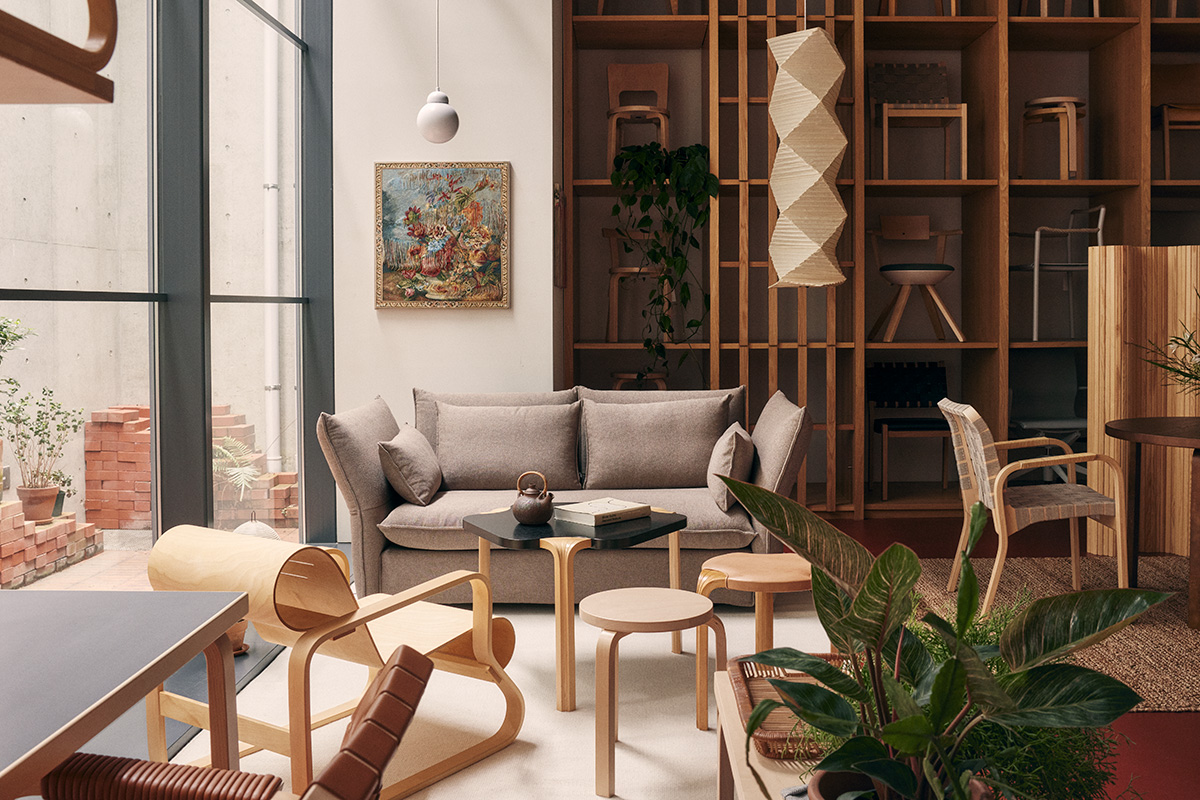

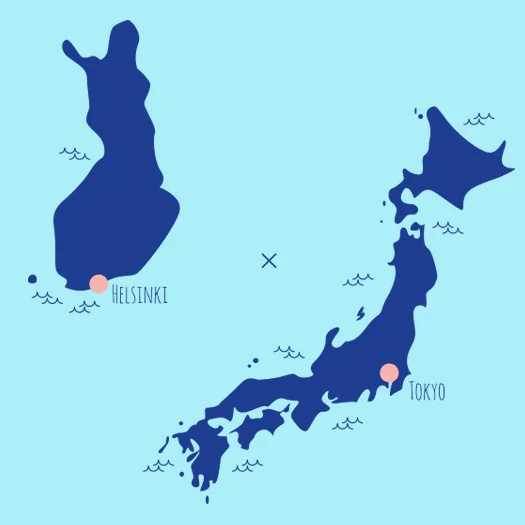
At first glance, Finland and Japan may seem worlds apart and rooted in vastly different cultures, climates, and histories. Yet, beneath their geographic and cultural differences lies a deep kinship and design philosophy that unites them: a shared devotion to simplicity, craftsmanship, and a profound respect for nature. This connection has not only influenced the evolution of both design traditions but also led to inspiring collaborations that celebrate their harmonious relationship. One standout example is the iconic Iittala x Issey Miyake collection, which beautifully illustrates how Japanese and Finnish aesthetics can merge to create timeless, elegant design.
Simplicity as a Shared Philosophy
Both Finnish and Japanese design are grounded in simplicity, not just in form but in mindset. The idea is to distill design to its purest essence, stripping away excess to focus on functionality, clarity, and understated beauty. This minimalism is not cold or sterile like some may think, but actually warm and inviting, creating spaces and objects that feel calm and purposeful.
Finnish design often embraces this simplicity as a response to its natural environment, long winters and sparse landscapes foster an aesthetic that prioritizes coziness and functionality. Similarly, Japanese design is deeply influenced by Zen principles, which emphasize mindfulness and the beauty of emptiness. Together, they share an understanding that simplicity opens space for presence and contemplation.
Finnish design leans toward functional minimalism: “form follows function” without unnecessary embellishment. Brands like Marimekko and Iittala show how simplicity can also be expressive and bold. Japanese design also emphasizes functional clarity, but with a poetic sensibility. The form often reflects spiritual or philosophical meaning, as seen in the clean lines of muji products or traditional tatami room layouts.
Masterful Craftsmanship and Material Integrity
In both cultures, design is inseparable from craft. Finnish designers have a long tradition of working with wood, glass, and textiles, focusing on quality and sustainability. Similarly, Japanese artisans have mastered techniques in ceramics, lacquerware, and textile weaving, maintaining centuries-old practices.
This shared respect for materials and making is evident in products that are not only beautiful but also durable and functional. They both emphasize the importance of objects designed to age gracefully and develop character over time.
Nature as a Central Inspiration
Nature is the heartbeat of both Japanese and Finnish design. Finnish design often draws inspiration from its vast forests, shimmering lakes, and changing seasons, using organic shapes and natural materials to create a seamless connection between indoors and outdoors.
Japanese design embraces concepts like wabi-sabi, the appreciation of imperfection and impermanence, and often features natural textures, asymmetry, and an intentional interplay of light and shadow. Whether it’s through the use of shoji screens or carefully curated gardens, the presence of nature is always thoughtfully integrated.
Spotlight on Collaborations
Iittala x Issey Miyake:
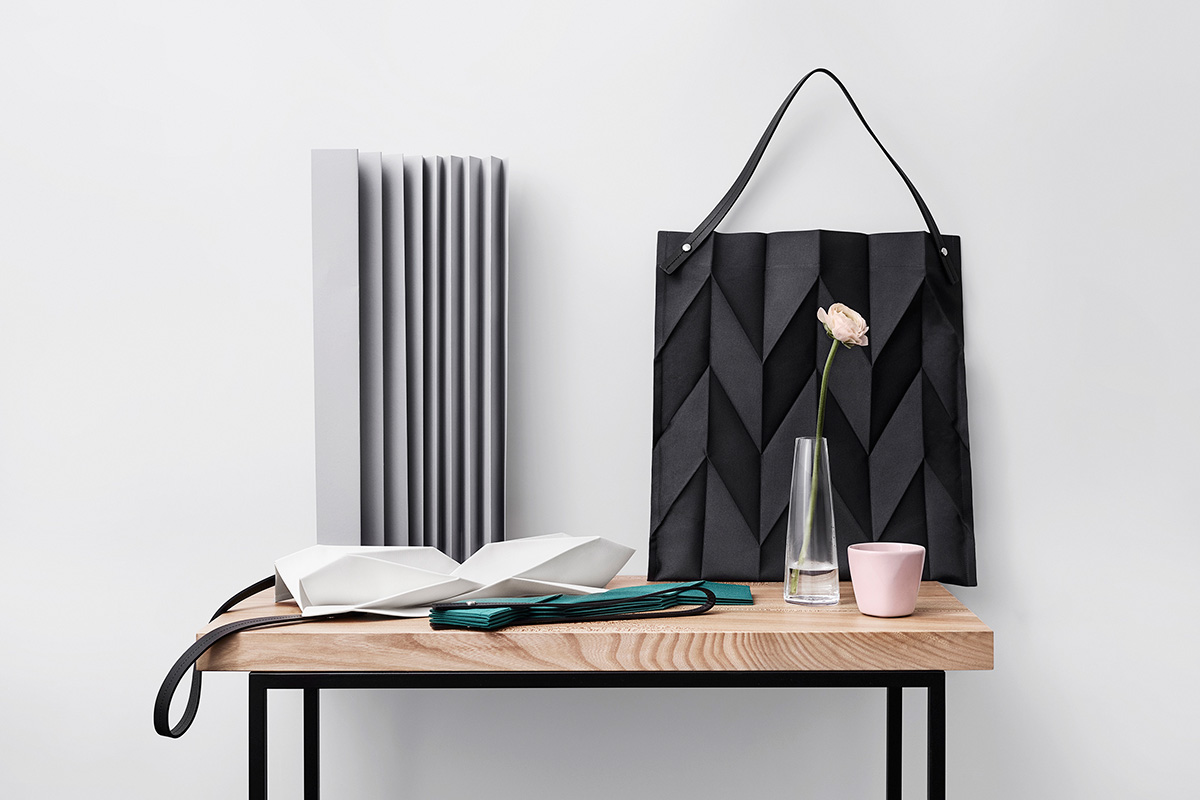
A perfect example of Japanese and Finnish design synergy is the collaboration between Iittala, Finland’s renowned glass and design brand, and Issey Miyake, the celebrated Japanese fashion designer. Launched in 2017, this partnership melds Miyake’s fascination with folding, pleating, and form with Iittala’s mastery of glassmaking.
The result is a collection of glassware that plays with light, texture, and movement, reflecting both the organic fluidity characteristic of Finnish design and the innovative artistry synonymous with Miyake’s work. This collaboration showcases how the two cultures can merge craft and creativity to produce pieces that are both functional and poetic.
Artek Secrets of Finland Collection:
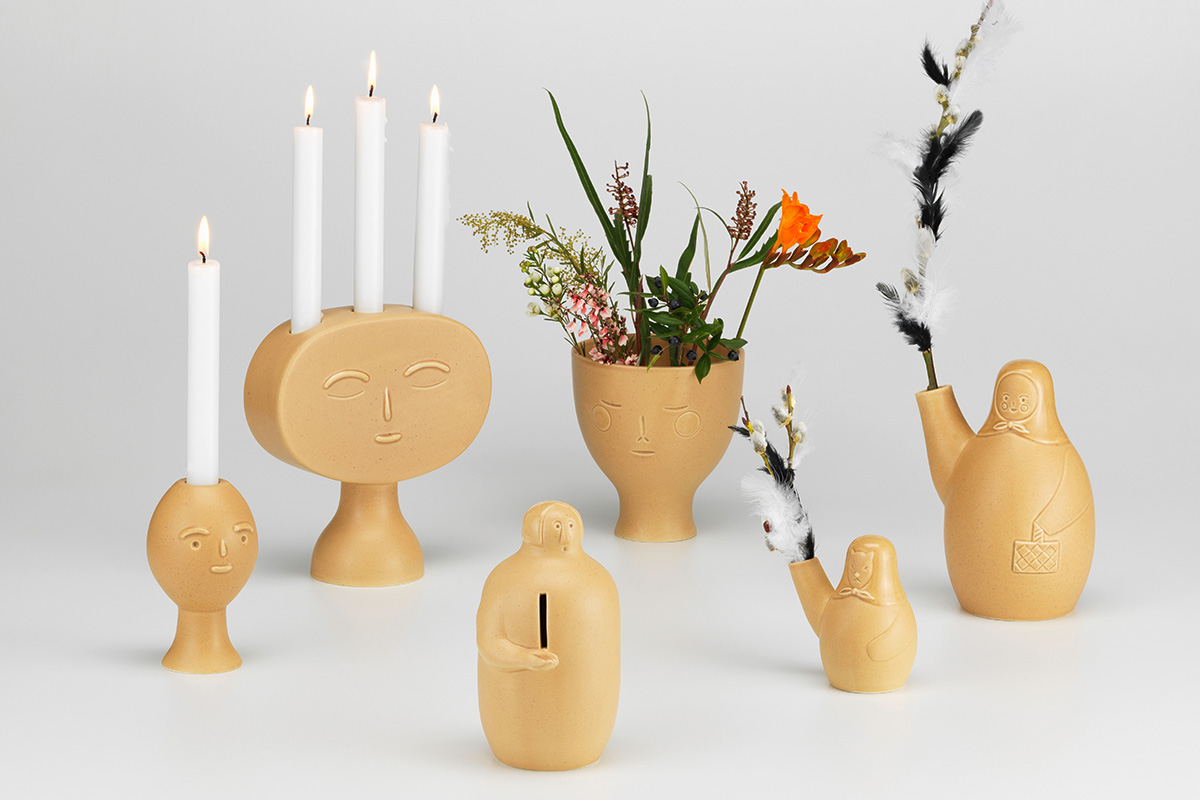
Another example of Japan and Finland’s design unity is the collaboration between Artek, the iconic Finnish furniture brand, and Japanese designers Aamu Song and Johan Olin. Part of the FIN/JPN collection, which celebrates 100 years of diplomatic relations between Finland and Japan, the Artek Secrets of Finland collection features handcrafted ceramic objects that celebrate a seasonal ritual on the Finnish calendar such as Easter, Midsummer, and St. Lucia Day. The sweetly simple yet expressive designs are meant to evoke the pagan past of Finland, and showcase the quiet harmony between the two nations’ design interpretations.
Why the Two Traditions Work So Well Together
The connection between Japanese and Finnish design lies in their shared values and complementary approaches:
- Mindful simplicity: Both reject unnecessary ornamentation in favor of thoughtful restraint.
- Human-centered craft: There’s a deep respect for making things by hand, valuing tradition and sustainability.
- Nature as a muse: Design is never divorced from the natural world, but rather a reflection of it.
- Timelessness: Both styles prioritize longevity over fleeting trends, creating designs that endure aesthetically and functionally.
Together, they create a balanced aesthetic that feels both modern and rooted, minimal yet warm, which invites people to slow down, appreciate quality, and reconnect with the natural world.
Bringing Japanese & Finnish Harmony into Your Space
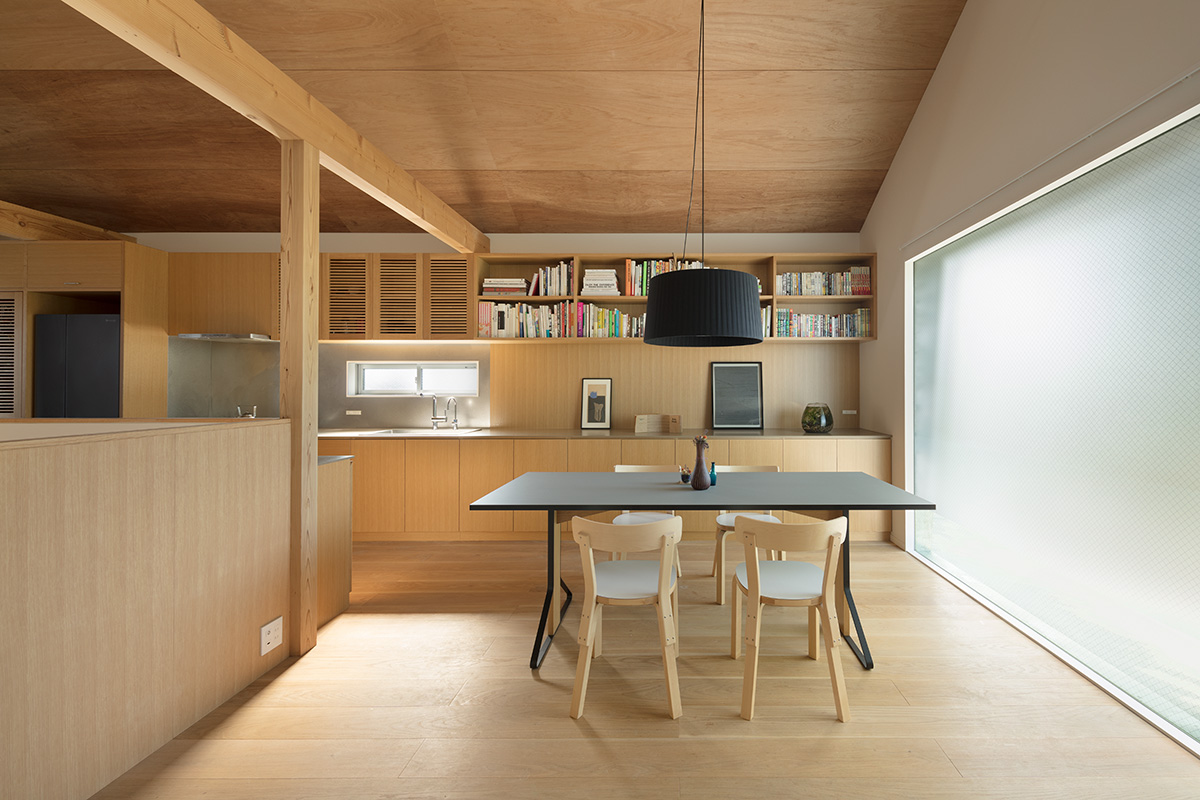
To infuse your home with this cross-cultural harmony, consider combining natural materials like light wood and stone with clean, sculptural shapes. Opt for simple, high-quality pieces that tell a story, whether it’s a Finnish glass vase or a Japanese ceramic bowl. Embrace neutral tones punctuated with subtle textures, and invite natural light to play across your space.
The intersection of Japanese and Finnish design invites us to live more intentionally, honoring craft, nature, and simplicity, a beautiful reminder that great design transcends borders and cultures.