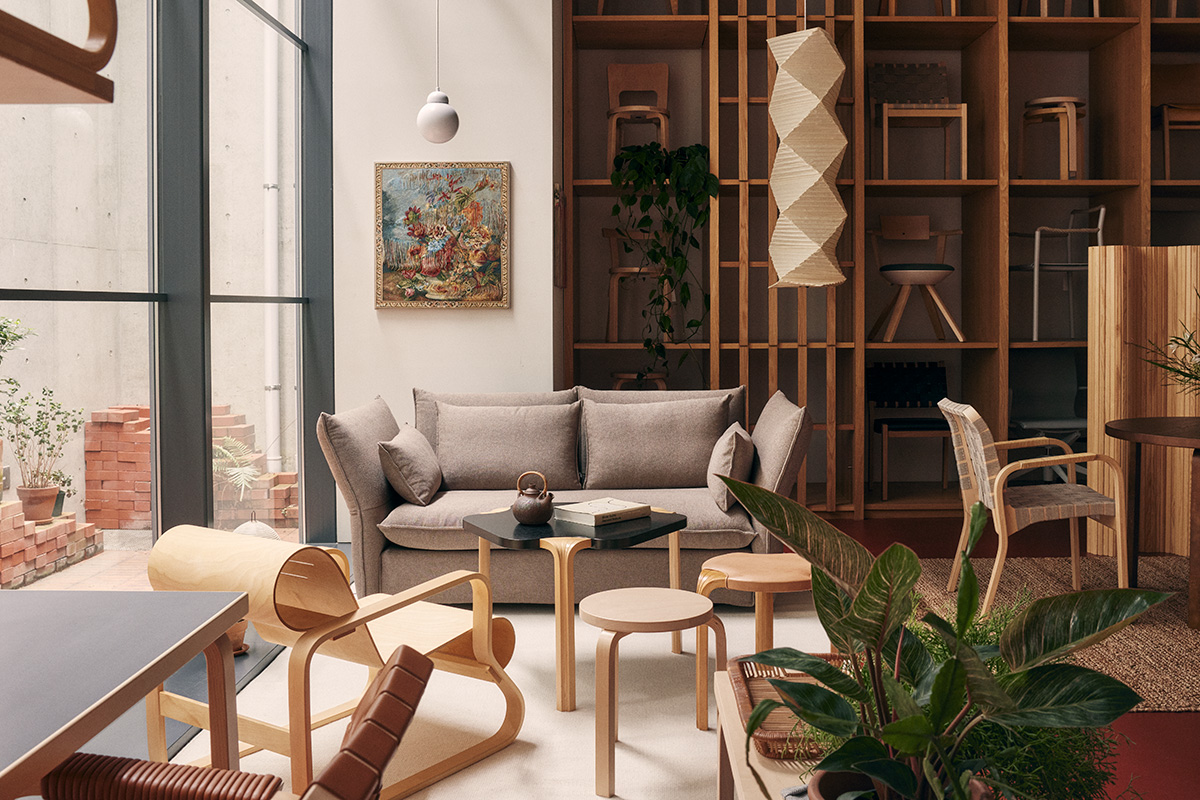


Finnish design is often celebrated for its clean lines, quiet elegance, and functional beauty. But there is more beneath the minimalist aesthetic: an entire cultural philosophy shaped by environment, history, and uniquely Finnish concepts like sisu. To understand Finnish design is to understand how these ideas translate into objects, spaces, and everyday living.
Sisu in Design
At the heart of Finnish identity is sisu, a word that resists direct translation but broadly refers to resilience, perseverance, and inner strength in the face of adversity. In a country defined by long, dark winters and a rugged natural landscape, survival has historically depended on endurance and practicality. This mindset carries over into design, where products are expected not just to look good, but to last, adapt, and serve a clear purpose. Finnish designers tend to avoid excess or decoration for its own sake. Instead, they embrace durability, clarity, and honesty in materials; qualities that reflect sisu in physical form.

The Sauna Ethos
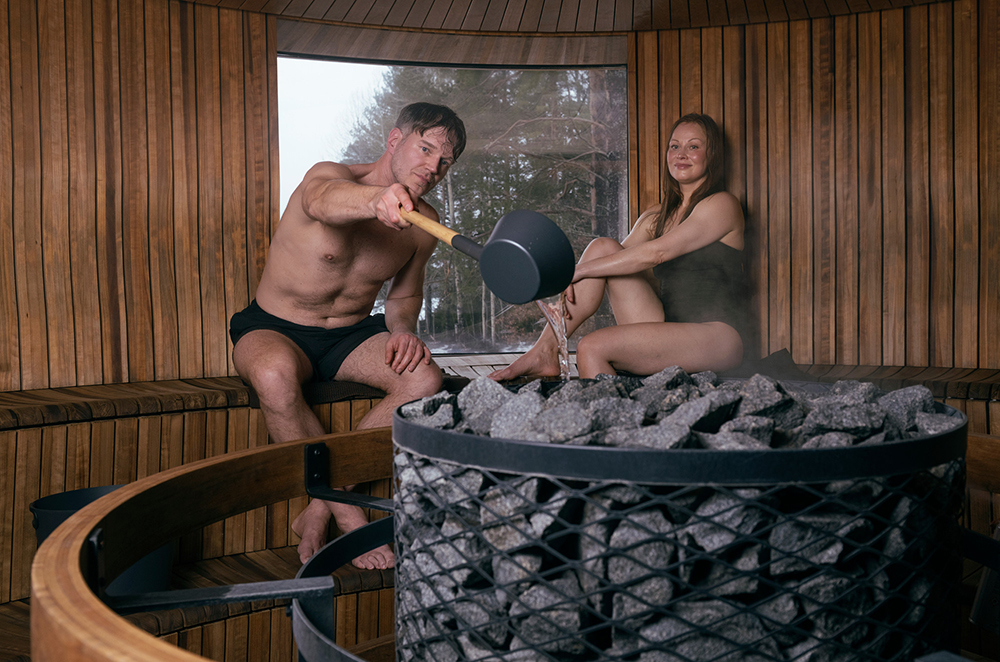
Another defining cultural element is the Finnish sauna. More than just a place to relax, the sauna is a ritual embedded in Finnish life, symbolizing purification, equality, and connection. In the sauna, social hierarchies dissolve and everyone is equal in the heat. This ethos influences Finnish design’s democratic nature: objects are made for everyday use, accessible rather than exclusive. The sauna also emphasizes sensory experience: warmth, texture, and natural materials like wood and stone. These elements frequently appear in Finnish interiors and product design, reinforcing a connection between body, environment, and object.
Nature as Inspiration
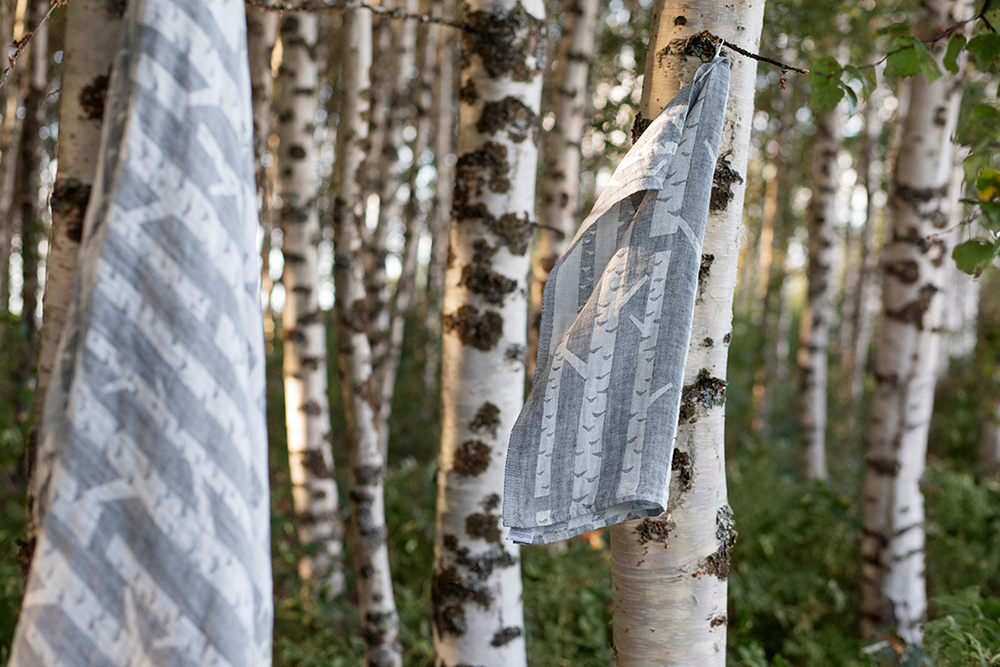
Nature itself plays a central role. Finland’s vast forests, lakes, and open skies inspire a design language rooted in organic forms and muted color palettes. Rather than dominating nature, Finnish design seeks harmony with it. This is evident in the use of sustainable materials such as birch, wool, and linen, as well as in the emphasis on craftsmanship and longevity. Products are often designed to age gracefully, and to develop character over time instead of being discarded.
This philosophy extends into Finnish lifestyle goods and textiles, where function and feeling intersect. Textiles, in particular, embody the balance between practicality and expression. Bold patterns and colors often contrast with otherwise restrained environments, bringing warmth and personality into homes during long winters. Yet even these expressive elements are grounded in usability, as fabrics are durable, washable, and designed for everyday life.
Simplicity Creates Timelessness
Household items, like Finnish glassware and Finnish furniture, also reflect a commitment to thoughtful living. Objects are typically multi-functional, space-efficient, and intuitively designed. This aligns with a broader cultural preference for simplicity, not as a trend but as a necessity. Living well in Finland has historically meant making the most of limited resources, and this mindset continues to shape design decisions today.
Importantly, Finnish design does not prioritize novelty. Instead, it values timelessness. A well-designed object should remain relevant and functional for decades, even generations. This long-term perspective is another manifestation of sisu: a quiet confidence that good design endures.
Culture Guiding Design
In a global design landscape often driven by rapid consumption and fleeting trends, Finnish design offers a different model. It’s rooted in resilience, respect for nature, and a deep understanding of human needs. Concepts like sisu and the cultural significance of the sauna are not just abstract ideas; they are lived experiences that shape how objects are conceived and used.
Ultimately, Finnish design is less about making a statement and more about supporting a way of life. It invites us to slow down, appreciate simplicity, and find beauty in things that work well and last long. In doing so, it quietly demonstrates that true style is not imposed, but it emerges naturally from culture, environment, and enduring values!